
Five Years, 6.5 Million Pounds: What I've Learned Rescuing Food in Vancouver
My thoughts on Food Stash hitting 10 years of operations… as someone who has been a part of half that - Written by Anna Gray
In 2021, I was looking for a shift in careers, something that felt more meaningful and left a positive impact within my community. That is when I came across Food Stash Foundation, a small charity working to prevent good food from going to waste - picking up surplus and unsold or ‘imperfect’ produce from grocery stores, wholesalers and farms - and getting it back into the community. When I came in on my first day, they had just moved into what we knew would eventually become a teardown building. With quite a small and windowless office space and remnants of a cafe, although it was a quirky space, it was the first space Food Stash had all to itself.
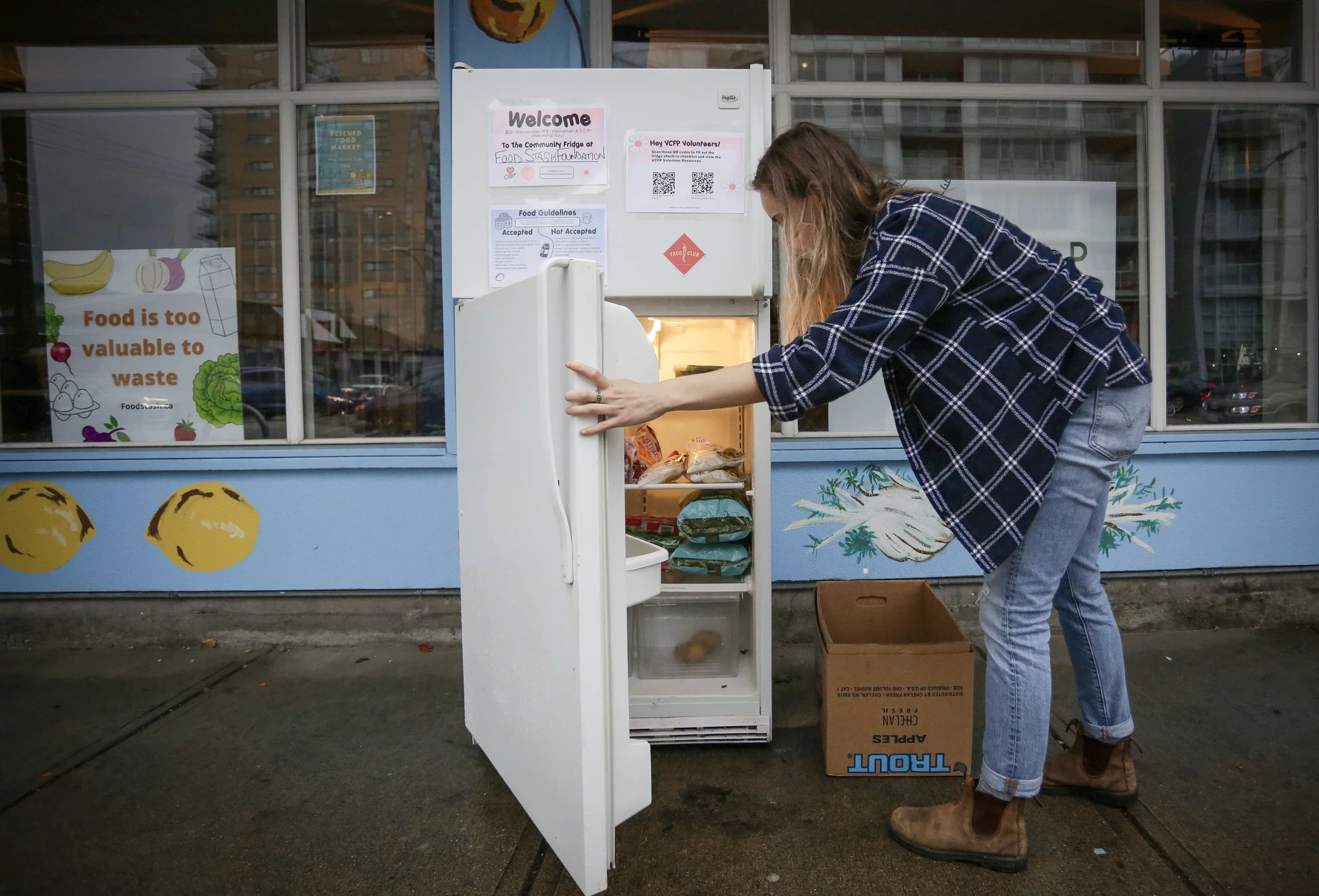
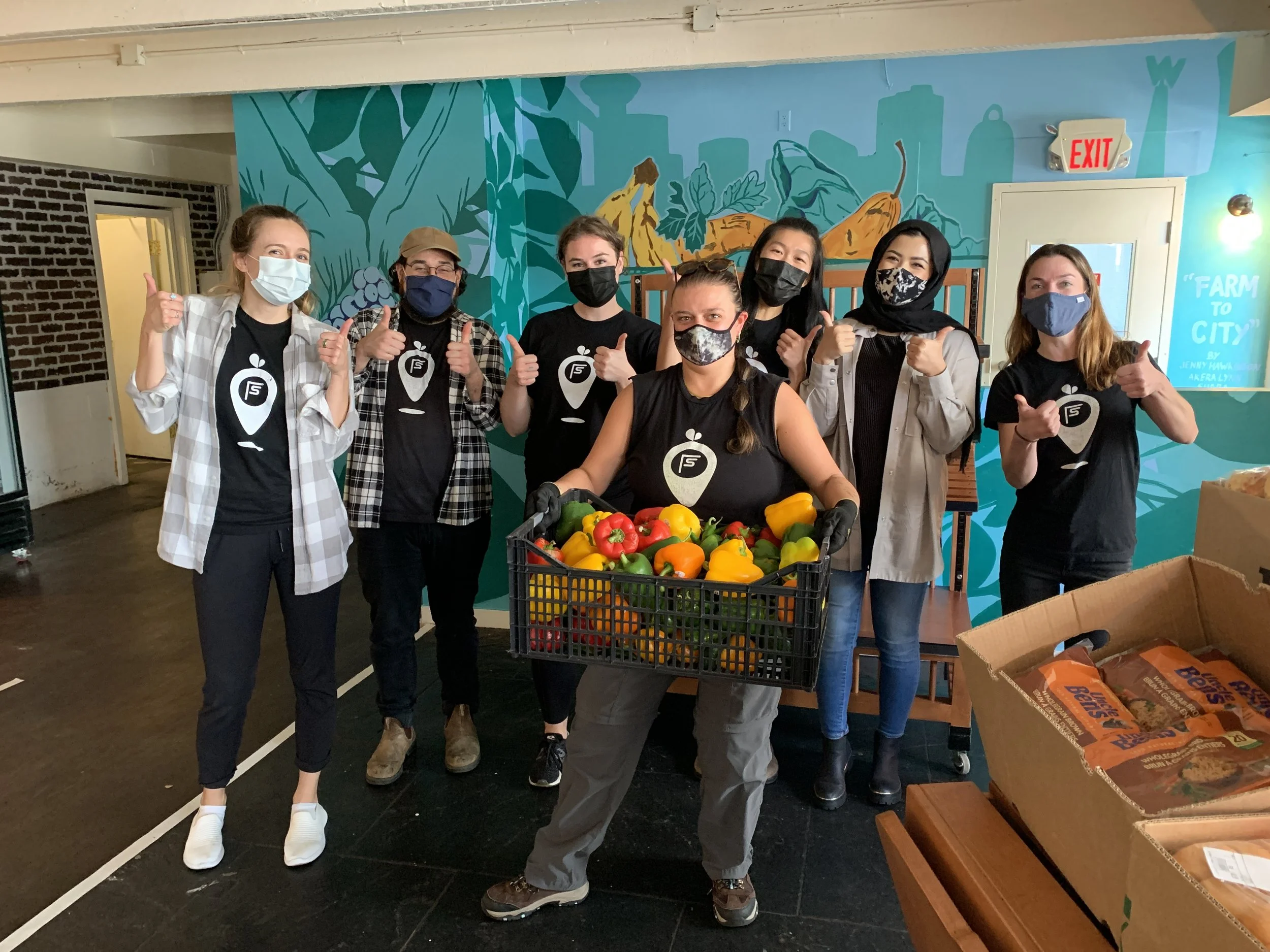
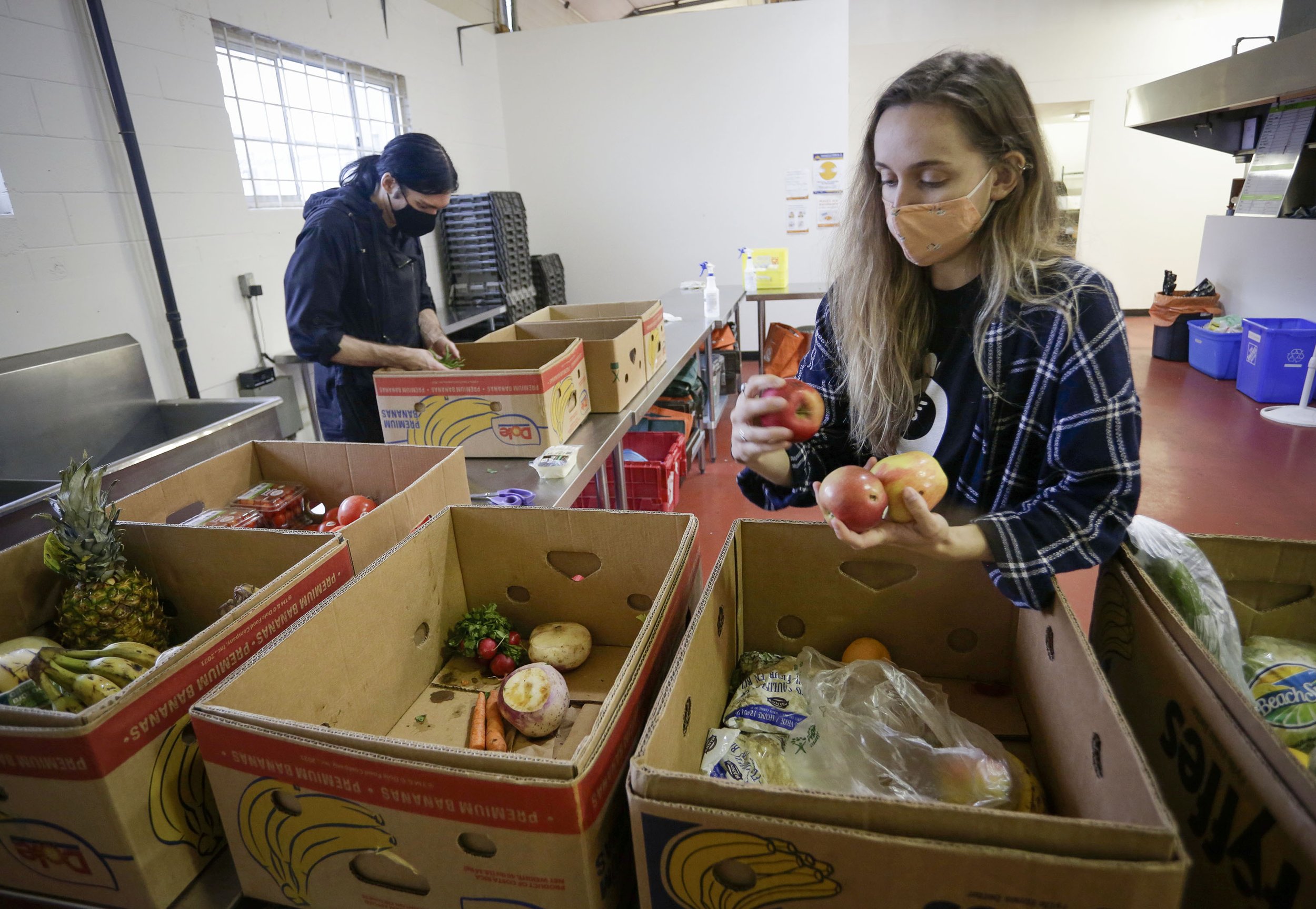
It was an exciting time with new programs like our Rescued Food Market, putting up our first community fridge, and setting up new roles within the team. Within these past 5 years, I’ve seen Food Stash rescue 6.5 million pounds of good food. But our impact goes beyond the numbers.
A couple of years ago, I met with some associates participating in Mission Possible's Employment Readiness program (they are one of our 53 nonprofit Community Partner organizations). These folks shared the impact of the food we deliver to them each week. While they were receiving employment support and working on reentry into the workforce, they had access to a filling lunch or even some food to take home. Making what can be a challenging transition a little easier. These are real stories of the impact that food can have, is what has kept me going.
Another specific impact that has stuck with me is seeing the importance of our Rescued Food Market. This program was created as a response to staggering amounts of food waste (about 47% of food goes to waste in Canada), but also as a very practical way of sharing some rescued food directly with community members in an inclusive and low-barrier way, free of the stigma that sometimes comes with free food ‘hand-outs’. From these humble beginnings, the Market has grown into a place where shoppers become Market Members with reserved appointment times, lineups are kept to an absolute minimum, everyone feels welcome, friendships are made, and a whole lot of food gets shared.
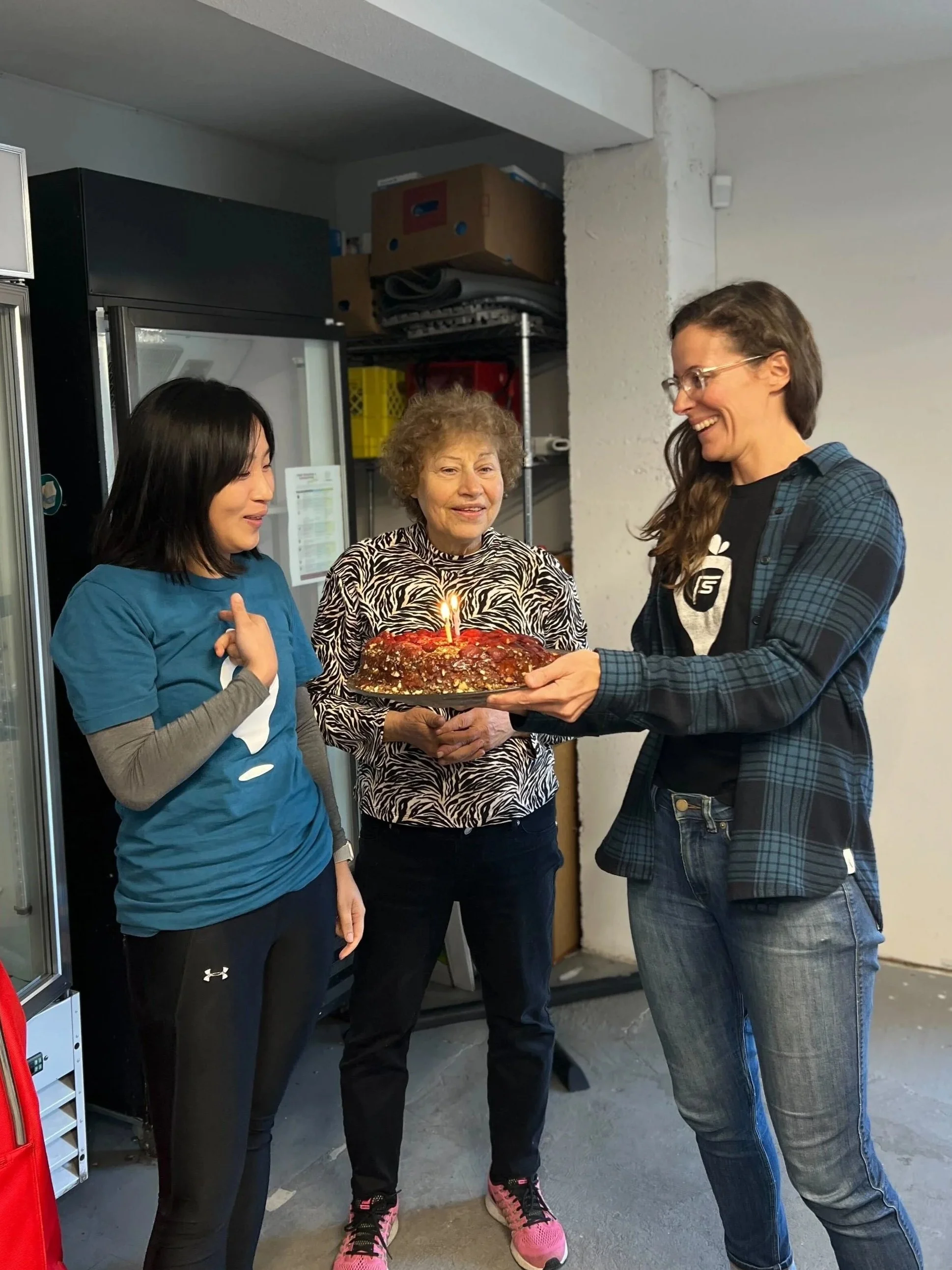
One Rescued Food Market member, Lisa, has followed us since the beginning; she first started coming in 2021 when the Market was first-come-first-served, and there was often a long lineup as well as a pay-what-you-feel model. Since then, she’s baked us a cake every October to celebrate the Market’s ‘birthday,’ and helped us plan many events, including an annual free community BBQ. Watching Lisa and others build community in Food Stash is truly what makes this work all worth it.
I’ll never get over hearing from members about how our programs affect their lives - outside of the fact that they have a fuller refrigerator. Our home grocery delivery program members are individuals with low income and disabilities or chronic illnesses. We often hear from members that accessing this program has meant the difference between balanced meals and going hungry. Because this program provides a weekly assortment of preferred, nutrient-dense groceries (whole produce, dairy, and proteins valued at over $100), it eases pressure on household budgets and helps members afford other basic needs like medication or child care. Having access to high-quality groceries, customized to the member’s needs and preferences, has a ripple effect.
“I struggled to access food for our family because of disabilities. Food Stash has changed our lives. We cook more, eat better, and have more of a connection to the food we eat.”
Nevertheless, Food programs like ours aren’t a long-term solution to household food insecurity. Food Banks and other emergency food programs were created in the 1980s as a response to hard economic times and weren't meant to be a long-term solution. 45 years later, 2.2 million Canadians are visiting Food Banks monthly. Although Food Stash’s programs differ from those of a Food Bank, we still understand that charitable food programs aren’t the long-term solution people need.
And still, dignity and accessibility have been integral to Food Stash from the get-go. That means offering members choice at every turn so that they can access food they will actually use, and requiring no means testing or ID to join our programs. We’re also committed to advocating for longer-term solutions to food insecurity, like living wages, and better social supports (including a fully-funded Canada Disability Benefit).
As I reflect on my five years with Food Stash, it hits me that we are at an exciting time; Food Stash will soon be celebrating 10 years of operations, we’re rescuing more food than ever before, finding ways for our operations to be as sustainable as possible and consistently showing up for our community. A lesson I’ve also learned from working in the charitable sector is that we can’t do this work alone. Our government - at all levels - must commit to making poverty history if we’re ever to solve food insecurity in Canada, and solving the crisis of food waste needs everyone’s participation.
If any of this resonates with you, the best way to get involved and stay in the loop — including getting first access to our big 10-year anniversary event this November — is to join our e-newsletter. It’s a monthly newsletter sent by me (Anna), where we share impactful stories, updates from our food rescue work, zero-waste recipes that we love and, of course, early and discounted access to our community events. We hope to keep in touch!